Chronic Headaches & Migraines That Keep Coming Back?

Specialist Headache & Migraine Clinic in Edinburgh

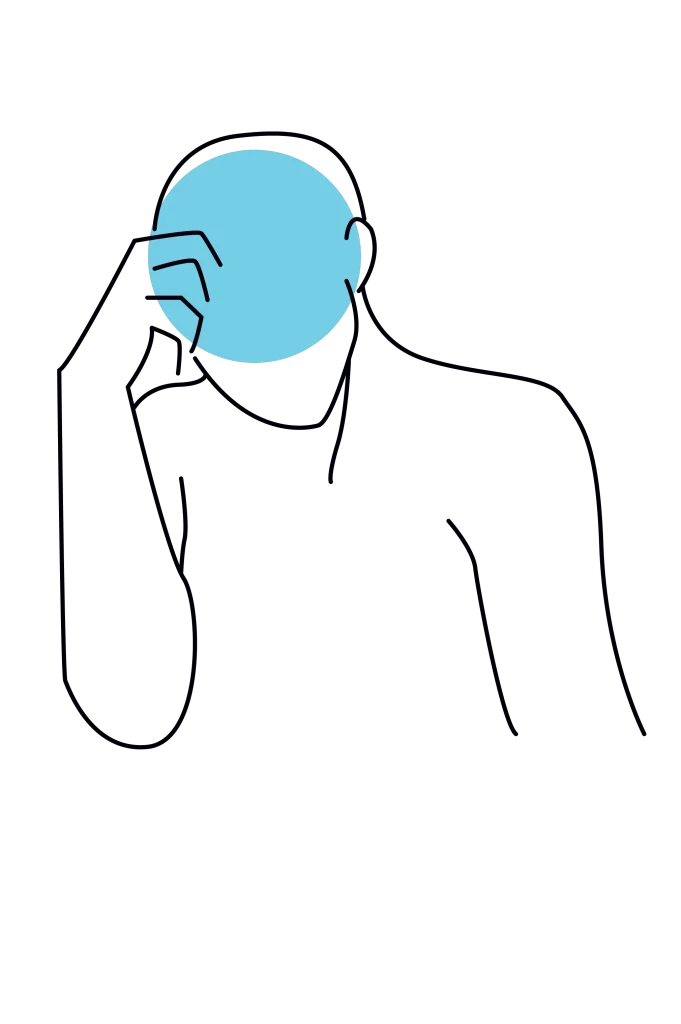
Illustration of a person holding their head, representing persistent headaches or migraine-related head pressure.

Constant Headaches and Migraines

When headaches keep returning, they stop feeling like a symptom and start becoming part of how you live.

You might find yourself adjusting how much you take on, how long you can focus, or whether it’s worth making plans at all.

Some days are manageable. Others unravel quickly – pain builds without warning, dulls your concentration, and makes everything feel harder than it should.

Over time, you learn what to avoid. Screens. Stress. Certain environments.

From the outside, you look fine. Internally, you’re working far harder than anyone realises.

Many people are surprised to learn that recurring headaches and migraines often involve identifiable physical drivers, particularly when symptoms are linked to neck tension, shoulder strain, or pressure in the jaw and face.

When those patterns are properly addressed, symptoms ease. Focus improves. Life feels more predictable again.

When Headaches and Migraines Start Wearing You Down

For many people, it isn’t just the pain. It’s the uncertainty.

You might:

  • Pace your workload based on how long you can concentrate
  • Avoid bright or noisy environments
  • Turn down plans because you’re unsure how you’ll feel
  • Notice symptoms building by mid-afternoon
  • Wake already aware of your head

Carrying that both physically and emotionally becomes exhausting.

Woman experiencing chronic headaches and head pain at work

Why Chronic Headaches and Migraines Often Don’t Resolve

Your head and neck are under constant demand.

Long hours at a desk, sustained screen use and reduced movement create cumulative strain in your neck, jaw and base of the skull. Combined with high mental load and limited recovery, sensitivity increases.

This is especially common when:

  • Headaches feel linked to posture, stress or fatigue
  • Migraine patterns fluctuate without a clear trigger
  • Scans appear normal but symptoms persist

This is rarely about one tight muscle.

It’s about cumulative load, reduced tolerance and sensitivity within your neck, jaw and the base of your skull.

When those structures remain under the same strain, symptoms continue to return.

Diagram illustrating upper back and shoulder pain area highlighted

Why Previous Care May Not Have Helped

You may have tried medication, physio, massage or general chiropractic care.

Some approaches may have helped temporarily.

But if the underlying load on sensitive structures hasn’t changed, symptoms are likely to return. Repeating the same approach tends to produce the same result.

Constant headaches and migraines often require a more specific assessment of how your neck, jaw and nervous system are working together.

Chiropractor assessing neck and spine alignment in clinic

How I Approach Chronic Headaches & Migraines

I have spent over 15 years specialising in persistent headache and migraine cases, particularly when previous care has not resolved the issue.

My clinical focus is the interaction between your neck, cranial structures and jaw mechanics – areas that are frequently involved in recurring headache patterns but often under-assessed.

Through advanced training in cranial work, functional neurology and complex pain presentations, I evaluate how load, movement and sensitivity are contributing to headache and migraine patterns. 

The aim is not only to relieve pain, but to identify and address what is keeping your symptoms active.

In many chronic cases, the issue is overload rather than damage. The structures around your neck, jaw and skull are carrying more strain than they can comfortably tolerate. This means pain is easier to trigger and slower to settle.

Care is directed at:

• Reducing mechanical strain
• Improving movement and load tolerance
• Decreasing sensitivity
• Restoring resilience

Treatment is precise, gentle and low-force.

Real Stories from Patients


  • I came to Paul with almost daily headaches that were affecting my focus and productivity with a busy uni and work schedule. My GP had only prescribed medication, which helped a bit but didn’t address the root cause.

    Paul supported me through an initial care plan that included adjustments, exercises, and practical advice, and I started seeing real improvements.

    I now continue the exercises and have monthly adjustments to stay on track. Life is much easier without the constant headaches, and I can stay productive and focused again.
    Rebecca Bain
    Edinburgh

  • I started coming to One Chiropractic 2.5 years ago because of chronic migraines that were seriously affecting my everyday life.

    My migraines used to control my schedule, my mood and my energy levels. Since starting treatment with Paul, they’ve become far less frequent and much more manageable, which has been life changing.

    I can work, sleep and make plans without constantly worrying about when the next migraine will hit.

    The care from Paul is always thorough, professional and genuinely focused on long-term improvement, not quick fixes. This has had a huge positive impact on my quality of life and I’m so grateful.
    Sarah Watt
    Edinburgh
Chiropractor performing spinal adjustment for back pain relief

What Happens at Your First Appointment

Your first appointment is focused on clarity.

We explore your symptom history, triggers and previous care.
You’ll receive a thorough assessment of your neck, jaw, head and upper spine.

If this approach is appropriate, I will explain findings clearly and outline a structured plan.

Treatment can usually begin during the first visit.

You’ll leave understanding:

  • What is likely driving your symptoms
  • Whether this approach is suitable
  • What next steps look like

Many people notice some change within the first session, whether that’s reduced pressure, improved movement or a sense of ease.

Meaningful improvement is built progressively and safely over time.

Is this right for you?

This approach may suit you if:

  • Headaches or migraines are persistent or recurrent
  • Symptoms feel linked to stress, posture, screens or physical tension
  • Previous care hasn’t created lasting change
  • You want a specialist assessment rather than short-term relief

It may not be right if you are seeking a quick fix without addressing underlying drivers.

Chiropractor delivering spinal adjustment for back pain treatment in Edinburgh

Headache and Migraine Clinic in Edinburgh

Based in Edinburgh, with patients attending from Leith, the city centre and across the wider Lothians.

A clear place to start

If headaches or migraines are affecting how you live, think or function day to day, an initial consultation provides clarity and direction.

Ready to get your focus and energy back?

Headaches and Migraines – Common Questions

Scans rule out serious pathology, but they don’t assess how the head, neck and nervous system are coping with load and stress. When headaches are driven by sensitivity or dysfunction in this system, imaging can appear normal while symptoms persist.


Yes. Neck tension headaches are common, particularly when pain builds with posture, stress or sustained concentration. In some people, this neck-related strain also contributes to migraine patterns.

It can. Jaw tension and clenching often interact with the neck and head. This can contribute to headaches from jaw tension or a sense of pressure or heaviness in the head.

Many people who attend have already tried other approaches. That does not mean those treatments were wrong. Often it means the specific driver of the headaches was not fully identified. This care is more narrowly focused on head- and neck-related contributors and is commonly used when broader care has not led to lasting change.

Yes. Many headaches are linked to how the neck is coping with everyday demands rather than a single injury. This is why symptoms can persist or fluctuate even when there is no clear event and tests appear normal.

If headaches are frequent, persistent, worsening, or affecting your ability to think, work or function, a more focused assessment can be helpful. The initial consultation is designed to determine whether this approach is appropriate for you.