Persistent Neck Pain or Stiffness That Keeps Coming Back?

Specialist neck pain care in Edinburgh

Focussed, gentle chiropractic care for recurring neck pain, stiffness and tension 

5-star Google rating
More than 15 years’ clinical experience
Treatment can usually begin at your first appointment
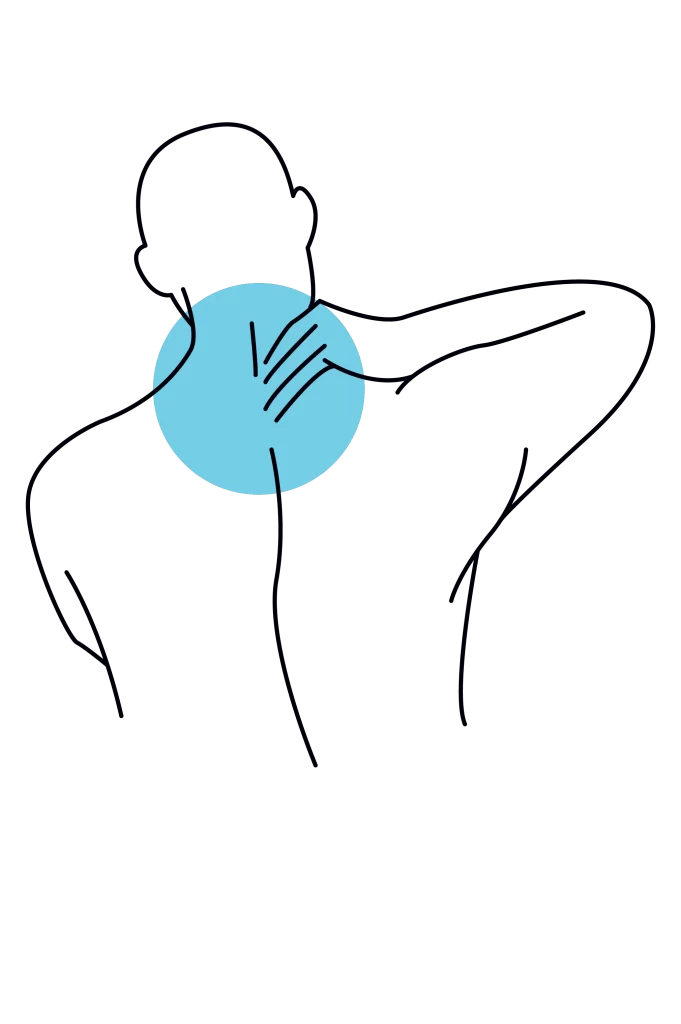
Diagram showing upper back pain area highlighted
Chiropractor performing neck assessment and adjustment for pain relief

Neck Pain Treatment in Edinburgh

I’ve spent over 15 years helping people with persistent neck pain and stiffness, often alongside headaches or jaw tension, especially when it keeps coming back or hasn’t improved with previous care.

As a chiropractor with advanced training in cranial techniques, I focus on the interaction between your neck mechanics, upper spine movement and cranial structures, which are often involved in recurring neck pain patterns but frequently under-assessed.

I draw on functional neurology and complex pain training to evaluate how load, movement and sensitivity are contributing to chronic neck pain.

The aim is not only to relieve pain, but to identify and address what is keeping your symptoms active.

In many chronic cases, the issue is overload rather than damage. The structures around your neck are carrying more strain than they can comfortably tolerate. This makes tension easier to trigger and slower to settle.

Care is directed at:

  • Reducing mechanical strain
  • Improving movement and load tolerance
  • Decreasing sensitivity
  • Restoring resilience

Treatment is precise, gentle and low-force.

Patient Reviews


  • I had been suffering from neck and shoulder pain for years, and Paul was recommended by a friend.
    Sceptical at first but Paul put me at ease straight away and most importantly helped ease my symptoms.

    I’ve been using him ever since. He adopts a more holistic approach and is incredibly perceptive.
    Anna Hatton
    Edinburgh
  • A serious head injury left me in a really bad state: headaches, jaw pain, neck stiffness and sensitivity to noise and light meant that I couldn’t do the simplest tasks.

    I booked a session with Paul, desperate to try anything that could help my symptoms.

    Within a few sessions my headaches finally subsided, and the lack of pain and sensitivity allows me to feel like myself again.
    Sara Julia Campbell
    Edinburgh

Chronic Neck Pain and Stiffness

When neck pain keeps returning, it stops feeling like a simple ache and starts shaping how you move through your day.

  • You may notice stiffness building as the day goes on.
  • Turning your head feels restricted.
  • Your shoulders carry constant tension.
  • The base of your skull feels tight or sore.

Some days are manageable. Others build slowly, with discomfort creeping in during screens, desk work, driving, or working out.

From the outside, you look fine. Internally, you’re working far harder than anyone realises

Many persistent neck problems have identifiable physical drivers, particularly when symptoms are linked to poor posture, screen use, reduced movement, or high stress.

When those patterns shift, your neck symptoms can change too. Movement improves. Life takes less effort.

When Neck Pain Starts Wearing You Down

For many people, it is not just pain. It’s the constant background tension and heaviness in their head, neck and shoulders.

You might:

  • feel stiffness on waking
  • notice pain building with desk work or screens
  • feel tightness at the base of your skull
  • carry shoulder and upper back tension that never fully eases
  • find it harder to concentrate when your neck is tight
  • avoid turning your head, training, or driving for long periods

You’re still functioning. Still working. Still showing up.

But everything feels heavier than it should.

Over time, that becomes exhausting.

Chiropractor portrait in clinic setting

Why Neck Pain Often Doesn’t Resolve

Your neck is under constant demand.

Long hours at desks, sustained screen use and reduced movement create cumulative strain through your neck, upper back and base of the skull.

Combined with high mental load and limited recovery, sensitivity increases.

This is especially common when:

  • pain feels linked to posture or desk work
  • symptoms fluctuate without a clear injury
  • scans appear normal but discomfort remains
  • you also experience headaches or jaw tension alongside neck pain

This is rarely about one isolated muscle.

It’s about cumulative load, reduced tolerance and increased sensitivity in your neck and surrounding structures.

Diagram showing upper back and neck pain area highlighted

Why Previous Treatment May Not Have Helped

You may have tried physio, massage, exercises or general chiropractic care.

Some approaches help temporarily.

But if care focuses only on where it hurts, and the wider tension pattern stays the same, improvement tends to be short-lived.

Persistent neck pain often requires a more specific assessment of how your neck, upper spine, jaw and head are working together under load.


What happens at your first appointment

Your first appointment is focused on clarity.

We explore your symptom history, work demands, screens and posture patterns, and what you’ve already tried

You’ll receive a thorough assessment of your neck, upper spine and head.

If this approach is appropriate, I will explain findings clearly and outline a structured plan.

Treatment can usually begin during the first visit.

You’ll leave understanding:

  • What is likely driving your symptoms
  • Whether this approach is suitable
  • What next steps look like

Many people notice some change within the first session, such as reduced tightness, easier movement or less tension. Meaningful improvement is built progressively and safely over time.

Chiropractor portrait in clinic setting

Is this right for you?

This approach may suit you if:

  • You experience persistent neck pain, stiffness or recurring flare-ups
  • Neck tightness builds through the day, especially with screens or desk work
  • Posture, stress or sustained concentration affects your symptoms
  • You get tension at the base of your head or neck-related headaches
  • Previous care hasn’t created lasting change
  • You want a specialist assessment rather than short-term relief

It may not be right if you are seeking a quick fix without addressing underlying drivers.

Neck Pain Treatment in Edinburgh

Based in Edinburgh, with patients attending from Leith, the city centre and beyond.

A clear place to start

If neck pain is beginning to affect how you live or work, an initial consultation provides clarity and direction.

Ready to move through your day without your neck holding you back?

Frequently asked questions

Yes, a chiropractor can often help with many common types of neck pain, particularly pain caused by muscle tension, poor posture, desk work, stress, sports injuries, or minor strains and sprains. Chiropractors assess the joints, muscles, nerves, and movement patterns of the neck to identify factors contributing to your symptoms.

Treatment may include gentle chiropractic adjustments, rehabilitation exercises and postural advice, all aimed at getting you out of pain as quickly as possible and giving you the right support to help prevent it from coming back. Research suggests that a combination of manual therapy and exercise is often particularly effective for neck pain management.

Many patients also experience associated symptoms such as headaches, shoulder tension, or reduced range of movement, which can improve as neck function improves.

However, not all neck pain is suitable for chiropractic treatment. During your consultation, your chiropractor will carry out a thorough assessment to identify any signs that may require referral for medical investigation. If your symptoms suggest a more serious underlying condition, we will ensure you receive the appropriate care.

Neck pain can develop for many different reasons. In most cases, it is related to mechanical or musculoskeletal problems affecting the joints, muscles, ligaments, or nerves of the neck. There can also be lots of lifestyle factors that cause neck pain:

  • Poor posture, particularly when using computers, phones, or tablets
  • Spending long periods sitting at a desk
  • Sleeping in an awkward position
  • Muscle tension related to stress or anxiety
  • Sports injuries or overuse
  • Whiplash following a road traffic accident
  • Joint stiffness and age-related changes in the cervical spine
  • Pinched or irritated nerves in the neck
  • Repetitive work activities and physical strain


Neck pain may also be accompanied by symptoms such as headaches, shoulder pain, arm discomfort, tingling, numbness, or reduced movement.


If you’re unsure what’s causing your neck pain, I will always try to help you understand this through my professional assessment to help identify the source of the problem. 

Desk work, poor posture and screen use often place the head slightly forward for prolonged periods. Over time this increases strain through the neck, upper back and base of the skull. If recovery is limited, stiffness and neck pain can build as the day goes on..

Yes. Tension at the base of the skull and upper neck is commonly associated with neck-related headaches. Some people notice head pressure, heaviness or headaches that worsen with posture, stress or prolonged concentration.

Most scans look for structural damage such as fractures or significant disc problems. Many cases of persistent neck pain relate to function, load and sensitivity rather than visible injury. This means imaging can appear normal while symptoms remain very real.

Absolutely. But poor posture alone is rarely the only cause. Sustained positions combined with reduced movement can contribute to chronic neck pain and stiffness. It is usually the cumulative load over time that matters most.

That’s common. Many people arrive here after trying other approaches.
Some treatments provide temporary relief but don’t fully address the wider tension pattern between the neck, upper spine and head.


A more targeted assessment can help identify what may be keeping your neck pain active and why it continues to return.

Often, yes. The neck and jaw are closely connected. Ongoing neck tension can contribute to clenching patterns or facial tightness, and jaw tension can in turn increase neck strain.

If symptoms include progressive weakness, numbness, significant trauma, unexplained weight loss, fever, or other concerning signs, medical assessment is advised first. Where appropriate, referral is recommended.

If neck pain is persistent, worsening, recurring frequently, or affecting your ability to work, drive, sleep or concentrate, a focused assessment can help determine whether this approach is appropriate for you.

The number of sessions required varies depending on the cause of your neck pain, how long you have had symptoms, your overall health, and how your body responds to treatment.


For recent or mild neck pain, some patients notice significant improvement within a few visits or even sometimes just for their first session. More persistent or longstanding conditions may require a longer course of care combined with home exercises and lifestyle modifications. The British Chiropractic Association notes that many patients begin experiencing meaningful symptom relief within approximately 4–6 visits, although individual responses vary.

My aim is always to help you achieve lasting improvement as efficiently as possible, rather than encouraging unnecessary ongoing treatment.