
Specialist Neck Pain Treatment in Edinburgh
Stiff, sore or hard to turn? Gentle, expert care for neck pain that keeps coming back.
Focussed, gentle, expert chiropractic care to relieve persistent neck pain, restore comfortable movement and help you get back to work, exercise and daily life.
5-star Google rating
More than 15 years’ clinical experience
Treatment can usually begin at your first appointment
The Daily Impact of Ongoing Neck Pain
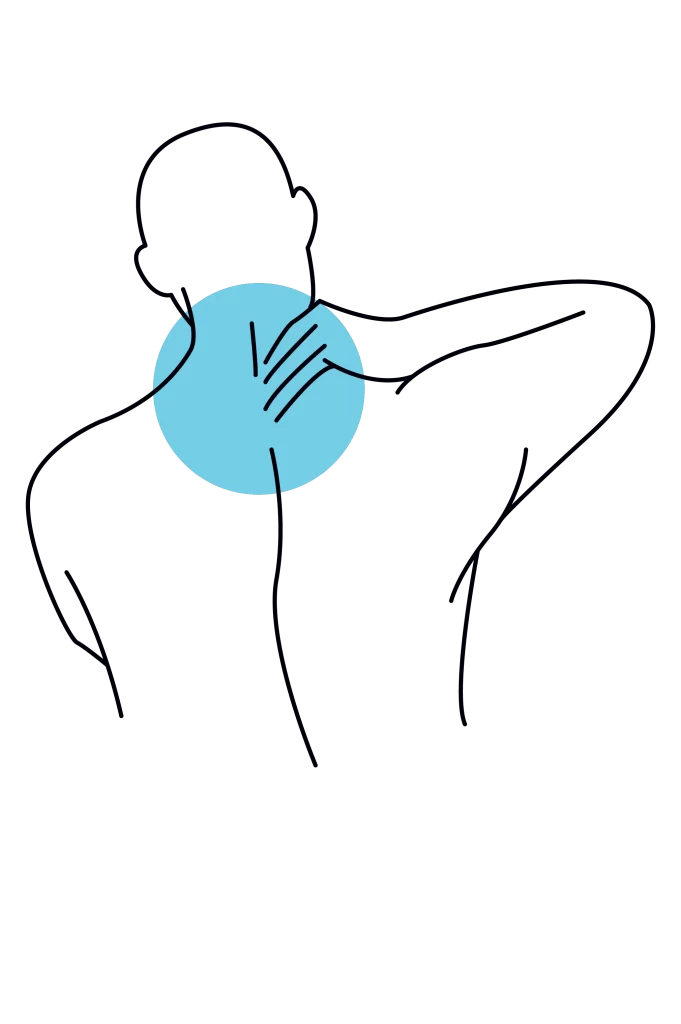
Neck pain can affect far more than just your neck.
You may wake up stiff, struggle to turn your head comfortably or feel tension through your shoulders and the base of your skull as the day goes on.
Desk work, screens, driving, stress or exercise can make it worse.
At first, you work around it. You adjust your posture, avoid certain movements or ease back in the gym. Over time, you can lose confidence in your neck and stop doing things altogether because you’re worried about making the pain worse.
You’re still working. Still getting things done.
But the tension never fully goes away and even on good days you’re waiting for it to flare up again.

Why Does Neck Pain Keep Coming Back?
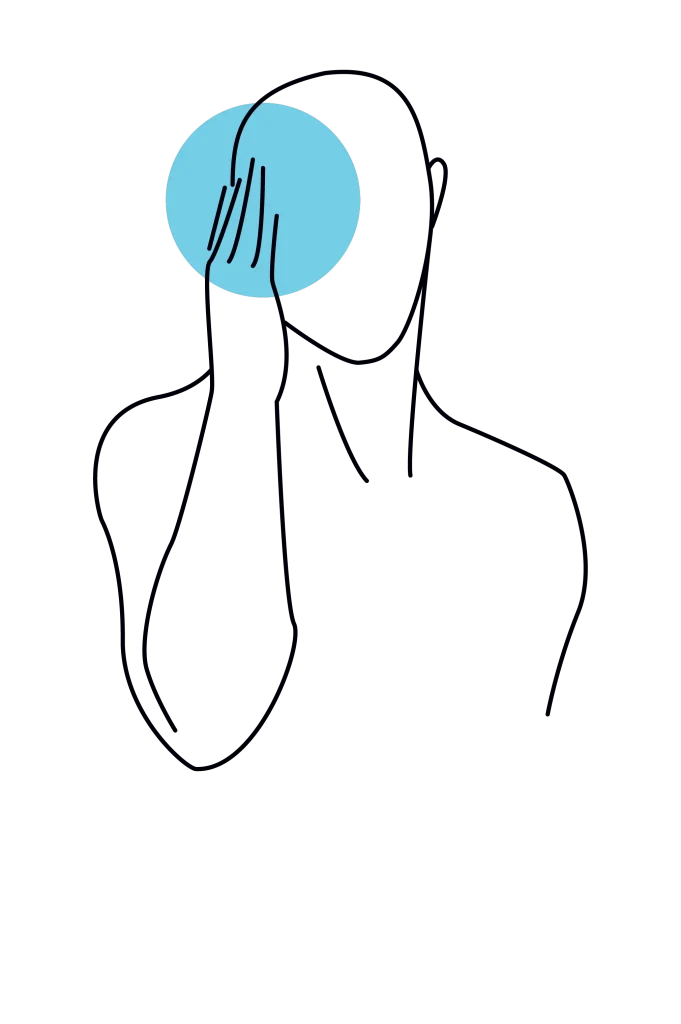
Recurring neck pain often continues because the underlying cause hasn’t been fully addressed.
For some people, symptoms begin after an injury. For others, they develop gradually through long hours at a desk, repeated strain, reduced movement, poor posture, stress or a combination of the above.
And the painful area isn’t always the whole problem.
Your neck works closely with your upper spine, shoulders and head. Restriction, tension or irritation in these areas can increase the stress on your neck and make pain easier to trigger.
This is why repeatedly treating only the painful spot can bring temporary relief without stopping the problem from returning.
Specialist Focus. Lasting Relief.
Dr Paul Holmes specialises in persistent neck pain.
With more than 15 years’ clinical experience and advanced training in complex pain, functional neurology and cranial techniques, Paul brings specialist expertise to neck pain.
Your care is precise, individual and focussed on getting you out of pain and back to the activities you enjoy again.
The goal is not just to make your neck feel looser for a few hours.
It is to relieve your pain, restore comfortable movement and help you return to work, driving, exercise and everyday life without constantly worrying about when your discomfort will flare-up again.

Patient Experiences
Your Initial Consultation
A Thorough Assessment. Clear Answers. A Plan for Recovery.
Your first appointment is designed to identify what’s causing your neck pain so we can begin the right treatment for you.
1 – Tell Us What Has Been Happening
Paul will ask how the pain started, how it has changed, what aggravates it and what treatment or investigations you have already had.
2 – A Specialist Clinical Assessment
Paul will assess the movement and function of your neck and upper spine, including the joints, muscles and nerves involved.
Where relevant, he will also examine related tension through your shoulders, head and posture.
3 – Explanation and Treatment
Paul will explain what is contributing to your pain and set out a clear plan for recovery.
Where appropriate, treatment can begin during the same appointment at no extra charge.
Most patients leave noticing an immediate change, such as less pain, freer movement or reduced tension.
Worried about the cracking?
If that’s what’s put you off seeing a chiropractor, this is worth reading.
Paul works with a wide range of techniques – from traditional adjustments through to methods gentle enough to use on a newborn baby. Which one he uses depends on your symptoms, your history and how your body responds on the day.
He’ll explain what he’s planning to do, and why, before he does it. If you’d rather not have a particular technique, say so. There’s almost always another way.
Initial Consultation and Examination: £95.00
View current availability and book securely online.
Why Choose Dr Paul Holmes?
Dr Paul Holmes is the principal chiropractor at One Chiropractic and has more than 15 years’ clinical experience helping people with persistent neck pain.
He holds a master’s degree in chiropractic and is registered with the General Chiropractic Council, the statutory body responsible for regulating chiropractors in the UK.
Paul has also completed further world-class training with global leaders in neck dysfunction, posture rehabilitation, cranial techniques, functional neurology and complex pain syndromes.
His clinical focus means you’re not receiving generic treatment from someone who occasionally sees neck pain. You are being assessed by an experienced clinician who works with these problems every day and understands how deeply they can affect your movement, work and quality of life.
Paul’s approach is thorough, calm and precise.
He will listen carefully, explain what he finds and give you a clear plan to relieve the pain and minimise the chance of it returning.

Neck Pain Treatment in Edinburgh
Based in Edinburgh, with patients attending from Leith, the city centre and beyond.
Stop Working Around Your Neck Pain
You’ve managed it, adapted around it and hoped it would improve on its own.
Now it’s time to find out why it keeps returning and how to recover.
Book a specialist initial consultation with Dr Paul Holmes and start moving towards less pain, freer movement and confidence in your neck again.