Head Pressure That Won’t Go Away: Why Your Jaw and Neck Matter
Feeling pressure in your head is hard to describe.
It’s not always sharp pain. It can feel like fullness, heaviness, tightness, or a sense that something is “built up” inside your head. Some people can still function, still work, still get through the day, but they do it with a background sense of pressure that never fully clears.
When it keeps coming back, the question becomes less about what triggered it once, and more about why it hasn’t gone away.
This article looks at one common pattern seen in persistent head pressure, particularly when symptoms overlap with jaw tension or neck tightness.
What People Mean by “Head Pressure”
Head pressure can show up in different ways. People often describe:
- A band-like tightness across the forehead
- Pressure around the temples
- A heavy head feeling, especially later in the day
- A sensation behind the eyes
- Fullness at the base of the skull
- Pressure that worsens with screens, concentration, or long days
- Fuzzy thinking or brain fog type symptoms
Sometimes the sensation fluctuates. It might ease slightly in the morning, then build as the day goes on. It might lift briefly after rest, then return as soon as you are back at a desk, screen, or under pressure.
If that sounds familiar, you’re not alone.
Why Head Pressure Can Keep Returning
When head pressure becomes frequent it often reflects a pattern that’s being repeated day after day.
That might involve:
- Sustained neck loading from screens, desk work, driving or prolonged concentration
- Jaw bracing or clenching, especially during stress or focus
- Reduced movement breaks, meaning tension accumulates rather than eases
- Poor recovery between days, so sensitivity builds over time
When the same structures are under the same demand, symptoms tend to return.
Pressure can be your system’s way of signalling that areas of your body are carrying more strain than they’re comfortably tolerating, particularly around your neck, jaw and base of your skull.
The useful question is often not “what caused this once?”
It’s “what’s keeping it going?”
One Common Pattern: Jaw Tension and Neck Strain
In persistent cases, head pressure is often linked to a combination of factors rather than one isolated issue.
A common pattern involves your jaw and neck.
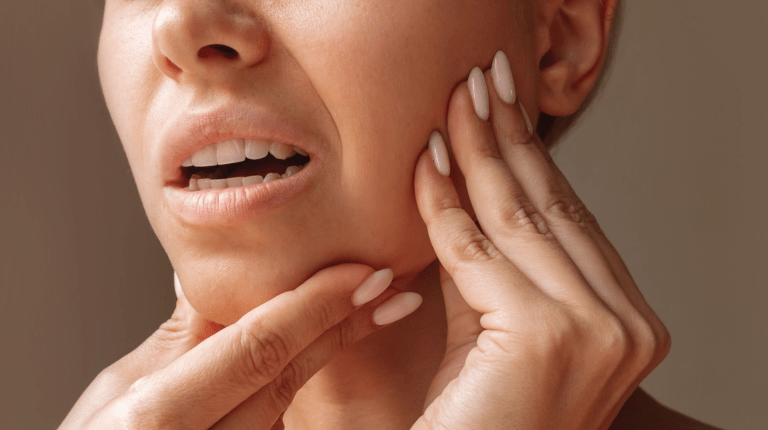
If you’ are’re clenching, bracing, or holding tension in your jaw, you’re increasing load through the muscles of your face, temples, and neck. Over time, this can change how those tissues behave. They may become tighter, more sensitive, and less tolerant to demand.
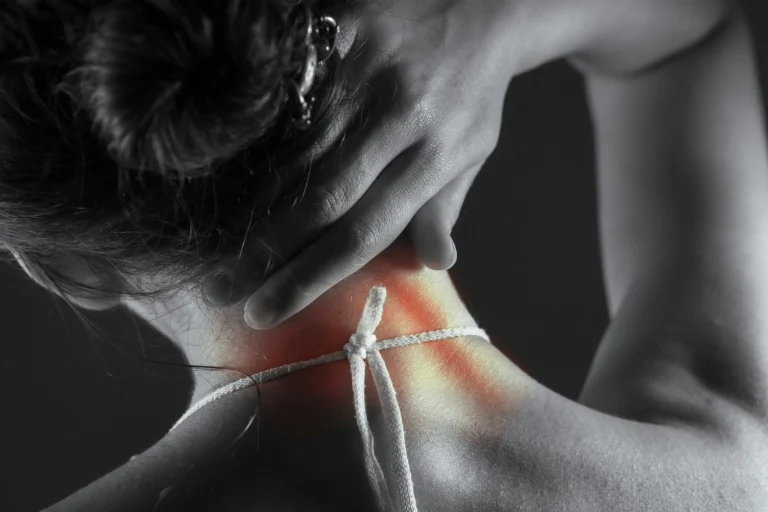
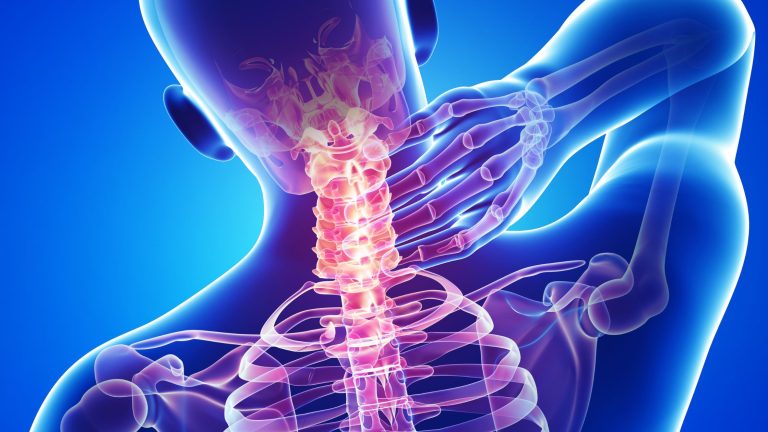
At the same time, your neck and base of the skull are under constant strain, especially with long hours at a desk, on screens or general poor posture. The area is designed for movement, not sustained static load. When it is repeatedly overloaded, it can become a driver of persistent head symptoms.
This is why jaw tension and neck strain so often appear together. When one area is doing more work than it should, the other usually has to compensate.
If jaw symptoms are part of your picture (pain, clicking, clenching or facial tension), there’s more detail here: Jaw Pain (TMJ-related).
If you also have ongoing neck pain, stiffness, or a sense that your head feels heavy by the end of the day, you may find the Neck Pain page useful as well: Neck Pain.
Why It Often Gets Worse With Screens, Stress, and Long Days
Many people notice their head pressure is not random. It follows patterns.
It often worsens:
- After prolonged screen time
- After long periods of concentration
- At the end of a demanding day
- When sleep has been lighter or more disrupted
- During busier weeks, even without a clear trigger
This isn’t because you’re doing anything wrong. It’s usually because your system is operating closer to its limit.
Sustained screen use often brings subtle changes: your head drifts forward, your neck holds more load, your jaw tightens without you noticing, breathing becomes shallower, and movement breaks disappear from your routine.
Even if each of these factors seems minor, the combined demand adds up.
For some people, that cumulative load expresses itself as head pressure rather than obvious pain.
Why Previous Treatment Might Help Briefly but Not Last
Short-term relief is common.
Massage may ease tightness for a day or two.
Exercises may help temporarily.
Medication may blunt symptoms without changing the driver.
If the pressure returns quickly, it’s usually because the underlying pattern hasn’t changed.
This is especially common when care focuses on only one part of the picture.
Treating your neck without assessing your jaw can miss a major contributor. Focusing on your jaw without checking your neck and base of the skull can leave the same load in place. In persistent cases, the overlap matters.
If your head pressure is part of a broader headache pattern, you may find this useful as well: Headaches & Migraines.
When It’s Worth Getting It Properly Assessed
Head pressure is not something you simply have to put up with.
A more detailed assessment is often worth considering if:
- Pressure is present most days
- It fluctuates but never fully clears
- Scans have been normal but symptoms persist
- It worsens with screens, posture, or long days
- You notice jaw tension, clenching, or facial tightness
- Neck tightness or restricted movement is part of the picture
- You’ve tried previous care but the pattern returns
An initial consultation is designed to work out what is actually driving your pattern, and whether this approach is appropriate.
The aim is not to label you. It’s to identify the key contributors and reduce the strain and sensitivity that keep symptoms active.
Key Takeaway
Head pressure can have different causes, and this article doesn’t replace medical assessment.
But when head pressure keeps returning, one common explanation is cumulative strain through your jaw and neck, combined with increased sensitivity in the muscles around your head.
In many persistent cases, improvement comes from changing the pattern: reducing mechanical strain, improving movement tolerance, and reducing sensitivity through the neck, jaw, and base of the skull.
If you’ve been carrying this day after day, it makes sense that you’re fed up. The next step is usually clarity on what’s driving it, and what to do about it.