Can Jaw (TMJ) Pain Cause Headaches or Migraines?
Yes it can
Not in every case. Not as a single cause. But jaw tension and jaw pain can absolutely be part of a headache or migraine pattern, especially when symptoms overlap and keep returning.
For many people, the frustrating part is that the jaw doesn’t always feel like the main issue. The headache is what dominates. Jaw tension sits in the background, often unnoticed, until it is assessed properly.
What People Notice When the Jaw Is Involved
When tension through your jaw is part of the picture, people often describe:
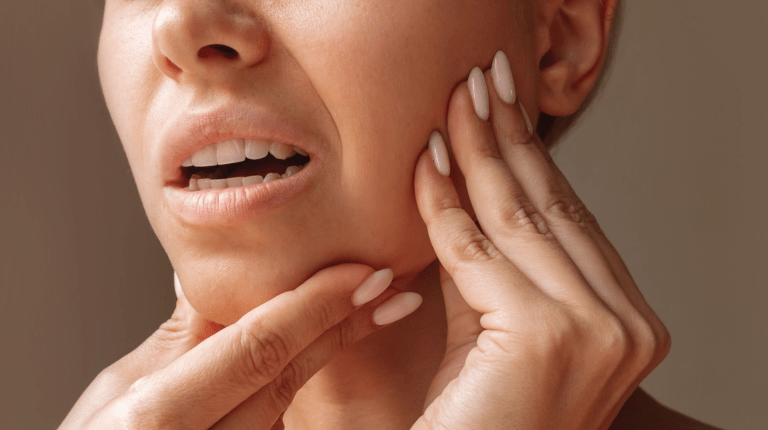
- Tightness through your jaw or face, especially later in the day
- Clenching during concentration or stress
- Clicking, popping, or a sense your jaw does not move smoothly
- Tenderness around your temples or just in front of your ears
- Headaches that feel worse after long days, screens, or busy weeks
- A sense of pressure through your temples or behind your eyes
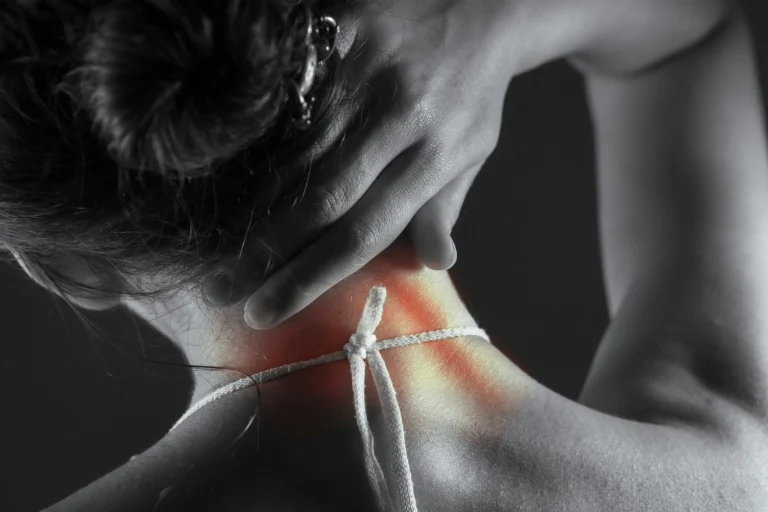
- Tightness through your neck that travels with the headache
Sometimes jaw symptoms are obvious. Sometimes they are subtle. Many people do not realise how much they brace through their jaw until it is pointed out.
Why Jaw Tension Can Trigger Headaches
Your jaw and your head are closely linked.
When you clench, brace, or hold tension through your jaw, you increase demand through the muscles around your temples, cheeks and the sides of your head. Those muscles are designed to work hard when you chew, then relax. If they’re working all day as part of a tension pattern, they can become more sensitive.
This is one reason headaches from jaw tension can feel stubborn. Even if you’re not consciously clenching, you may be doing it during focus, stress, driving, or sleep.
Over time, that constant load can contribute to:
- Symptoms that plateau with general treatment
- A more reactive temple and forehead area
- A pressure type headache rather than sharp pain
- Headaches that build as the day goes on
How Jaw Pain and Migraine Symptoms Can Overlap
Migraine is a complex condition and this article is not suggesting your jaw is the cause of migraine.
But your jaw can still be relevant.
Many people with migraine symptoms also have physical contributors that increase sensitivity or lower tolerance to daily load. If your jaw is tensing, it can add to the overall strain your body is dealing with, especially when combined with tightness through your neck, lots of screen time, poor sleep, and sustained concentration.
For some people, addressing that jaw contribution can reduce how often symptoms build and how easily they are triggered.
If your symptoms feel more like frequent headaches or head pressure rather than clear migraine episodes, you may find this useful too: Headaches & Migraines.
The Overlap People Miss: Your Jaw and Your Neck Together
Jaw tension rarely sits in isolation.
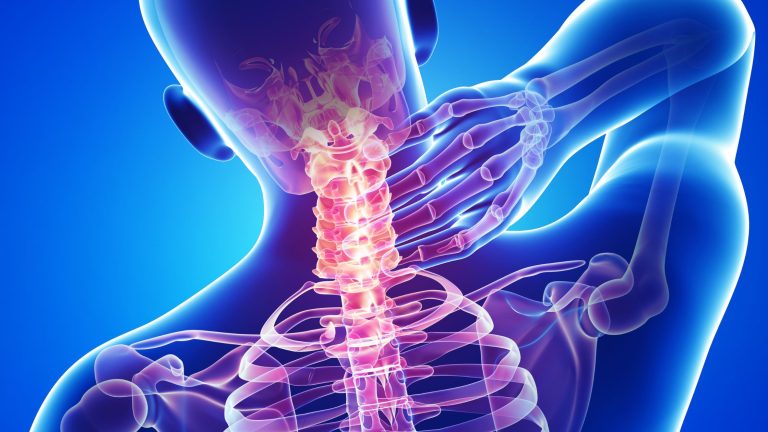
If you’re clenching, you often also brace through your neck and shoulders. Your jaw and your neck work as a unit.
This is why people sometimes get:
- Jaw tightness plus neck stiffness
- Temple headaches plus tightness at the base of the skull
- Facial tension plus a heavy head feeling
When both areas are under demand, symptoms are more likely to persist.
If jaw symptoms are part of your picture, you can read more here: Jaw Pain (TMJ-related).
If neck tightness is also a feature, this may be useful as well: Neck Pain.
When It’s Worth Getting Your Jaw Assessed
A more specific jaw assessment is often worth considering if:
- You get headaches around your temples or behind your eyes
- Headaches build through the day or flare with stress and focus
- You notice clenching, grinding, or holding tension in your jaw
- Your jaw clicks, feels tight, or does not move smoothly
- You also have neck tightness or a heavy head feeling
- You have tried treatment but symptoms keep returning
The aim is not to label you.
It’s to work out whether your jaw is part of what’s driving your headache pattern, and whether addressing it is likely to make a meaningful difference for you.
Key Takeaway
Jaw (TMJ) pain can contribute to headaches and can overlap with migraine symptoms, particularly when jaw tension and neck strain sit together and keep your body under constant demand.
If this has been going on for a while, you deserve a clearer explanation than “it’s just stress”. The jaw–neck connection is often where the answer is lying.