Jaw Clenching, Neck Pain and Headaches: The Connection Many People Miss
Jaw clenching is something many people do without realising it.
You may clench your jaw while concentrating, driving, working at a laptop, feeling stressed or sleeping. Some people grind their teeth at night. Others wake with jaw tightness, temple pressure, neck stiffness or facial tension and have no idea why.
Over time, jaw clenching can become part of a wider pattern involving the jaw, neck, shoulders, head and face.
If you experience jaw tightness alongside neck pain or headaches, it may be worth looking at how these areas are connected. The jaw does not work in isolation. It is closely linked to the muscles and joints of the head, neck and upper spine.
At our Edinburgh chiropractic clinic, we often see people who come in for neck pain or headaches, only to realise that jaw tension is also part of the picture.
Why Jaw Tension Is Often Overlooked
Jaw tension is easy to miss because many people do not think of it as a physical problem. They may assume it is just stress, dental-related, or something they have to live with.
You may not even notice that you are clenching until symptoms build.
Common signs of jaw tension include:
- Waking with a tight or tired jaw
- Clenching during the day
- Grinding your teeth at night
- Clicking or popping in the jaw
- Pain around the jaw, ear or temple
- Difficulty opening the mouth fully
- Facial tension or pressure
- Headaches around the temples
- Neck stiffness or shoulder tension
Some people have obvious jaw pain. Others have very little jaw discomfort, but experience recurring headaches, neck tension or facial pressure.
This is why the jaw should often be considered when headaches and neck pain keep returning.
How Jaw Clenching Can Affect the Neck and Head
The jaw joint, known as the temporomandibular joint or TMJ, sits just in front of the ear. It is supported by muscles around the jaw, face, temples, skull and neck.
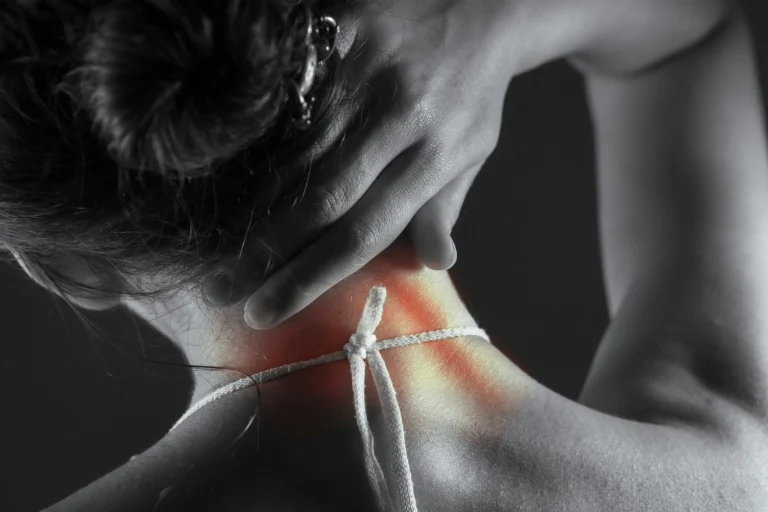
When you clench your jaw repeatedly, these muscles can become overworked. This may contribute to tension through the temples, face, base of the skull and upper neck.
You may notice symptoms such as:
- Temple headaches
- Pressure around the side of the head
- Neck stiffness on waking
- Pain around the ear
- Facial tightness
- Jaw fatigue
- Shoulder tension
- Headaches during stressful periods
This does not mean jaw clenching is always the only cause. Headaches and neck pain can have many contributing factors. But if the jaw is constantly tense, it can add load to an already sensitive system.
Why Stress Makes Jaw Clenching Worse
Stress is one of the most common reasons people clench their jaw.
During stressful periods, the body often becomes more guarded. You may tense your shoulders, breathe more shallowly, hold your neck stiffly or press your teeth together. If this happens repeatedly, the muscles around the jaw and neck may struggle to fully relax.
This can create a cycle:
Stress increases jaw tension.
Jaw tension increases temple and neck tightness.
Neck tightness contributes to headaches.
Headaches create more stress.
The cycle continues.
Many people are not aware of this pattern until they start paying attention to it during the day. A helpful check is to ask yourself: are my teeth touching right now?
At rest, your teeth should usually be slightly apart, with the lips gently closed and the jaw relaxed.
A simple reminder is: lips together, teeth apart.
Jaw Clenching During Sleep
Some people mainly clench or grind their teeth at night. This can be more difficult to control because it happens while you are asleep – this is often picked up y dentist when they asses you teeth, they may offer a shield for this, which can help short term but in order to stop you needing the shield it is best to look at how we can release the jaw to prevent the tension and grinding on the teeth.
You may notice:
- Morning jaw tightness
- Headaches on waking
- Sore teeth
- Facial tension
- Neck stiffness first thing in the morning
- Clicking or aching around the jaw
- Poor sleep quality
As a chiropractor we often find it useful to assess how the jaw and neck are working together.
The Link Between Jaw Tension and Headaches
Jaw tension is often linked with temple headaches.
The muscles used for chewing and clenching sit around the side of the head and jaw. When these muscles are overworked, they can create pressure or discomfort around the temples, cheeks, ears and forehead.
Some people describe this as:
- A band of pressure around the head
- Aching around the temples
- Pain that feels like it is near the ear
- Tightness through the face
- Headaches that build during stress
- Headaches after clenching or chewing
- Morning headaches after grinding at night
It is also possible for jaw tension to exist alongside migraine. Migraine is a complex neurological condition and is not simply caused by jaw tightness. However, for some people, jaw and neck tension may add to the overall load on the system and make symptoms feel harder to manage.
The aim is to understand your individual pattern.
Why Neck Pain and Jaw Tension Often Happen Together
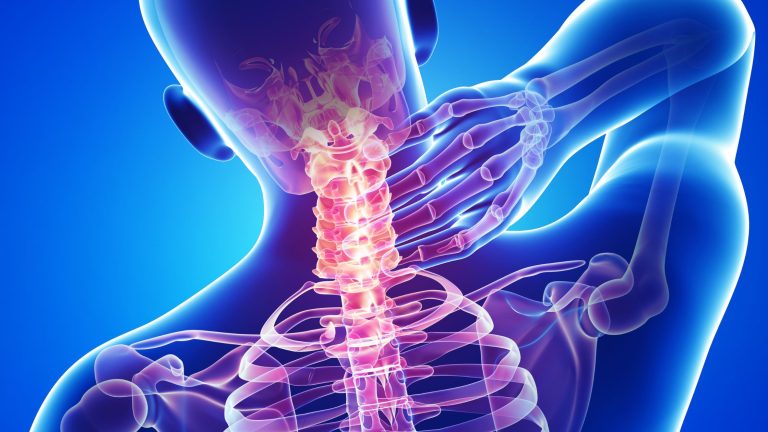
The jaw and neck are closely connected through muscles, joints and movement patterns.
If the neck is stiff, the jaw may compensate. If the jaw is tense, the neck may become more irritated. If the upper back and shoulders are tight, both the neck and jaw can feel more loaded.
This is why jaw clenching often appears alongside:
- Neck pain
- Shoulder tension
- Headaches
- Reduced neck movement
- Pain at the base of the skull
- Upper back stiffness
- Facial tension
For example, someone who works long hours at a laptop may hold their head forward, tense their shoulders and clench their jaw while concentrating. Over time, this creates repeated strain through the same areas.
In this situation, treating the jaw alone may not be enough. Treating only the neck may also miss part of the pattern. A more complete assessment should look at how the jaw, neck, shoulders and upper back are all working together.
How a Chiropractor Can Assess Jaw, Neck and Headache Symptoms
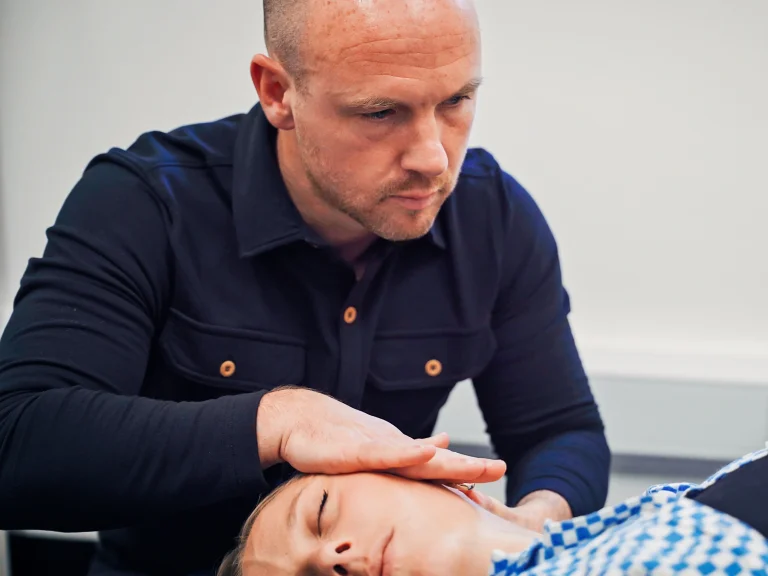
A chiropractic assessment can be useful when jaw clenching appears alongside neck pain, headaches or shoulder tension.
At our Edinburgh clinic, we may look at:
- How your jaw moves
- Whether the jaw clicks, locks or feels restricted
- Muscle tension around the jaw, temples and face
- Neck movement and stiffness
- Upper back and shoulder tension
- Headache patterns
- Sleep position and morning symptoms
- Stress and clenching habits
- Desk setup and daily posture
- Previous injuries
- Whether dental or medical referral is needed
The aim is to understand whether your jaw and neck are contributing to each other, and whether chiropractic care may be appropriate.
Treatment may include gentle manual techniques, soft tissue work, assessment of the jaw and surrounding muscles, work through the neck and upper back, movement advice, posture support and simple strategies to reduce clenching habits.
Every person is different, so the right approach depends on your symptoms, your history and what is found during assessment.
Getting Help for Jaw Clenching, Neck Pain and Headaches in Edinburgh
If you regularly wake with jaw tightness, temple headaches or neck stiffness, the jaw and neck may be feeding into each other.
You do not have to wait until the symptoms become severe. A detailed assessment can help identify whether your jaw, neck, shoulders or upper back are contributing to the pattern, and whether chiropractic care may be suitable.
If jaw clenching, neck pain or headaches are becoming a recurring problem, book an initial consultation today. A clear assessment can help you understand the connection and take the next step towards managing the pattern more effectively.